
K.R.C. Genk has earned over one billion euros in transfer income since 2019. The figure cements the club's status as one of Belgium's premier player trading hubs, alongside Club Brugge.
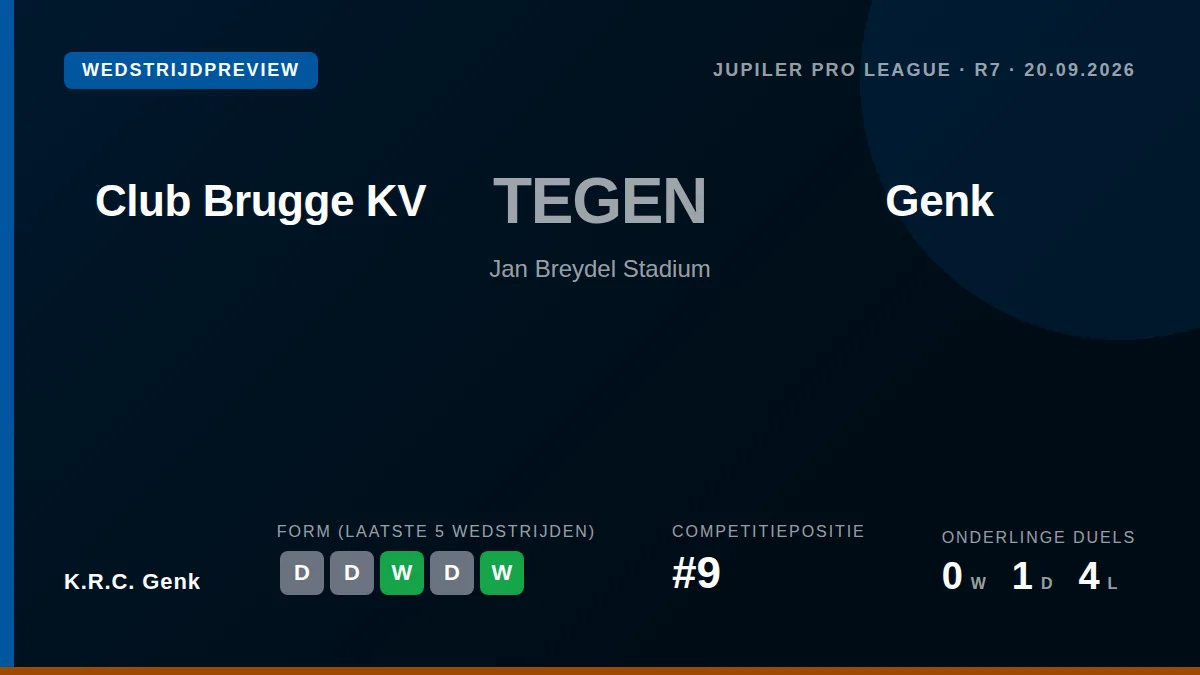
This financial achievement highlights the sustainable business model Genk has built around developing and selling talent. Revenue from player sales is a fundamental pillar, enabling continued investment in the academy and the first-team squad. This model allows Genk to compete in the Jupiler Pro League, where they currently sit ninth with nine points from six matches.
Club Brugge is identified in the same analysis as the other Belgian club to have passed the billion-euro mark since 2019. The two clubs are viewed as the dominant forces in the Belgian transfer market. Their ability to sell players for significant sums provides a financial edge over other teams in the league.
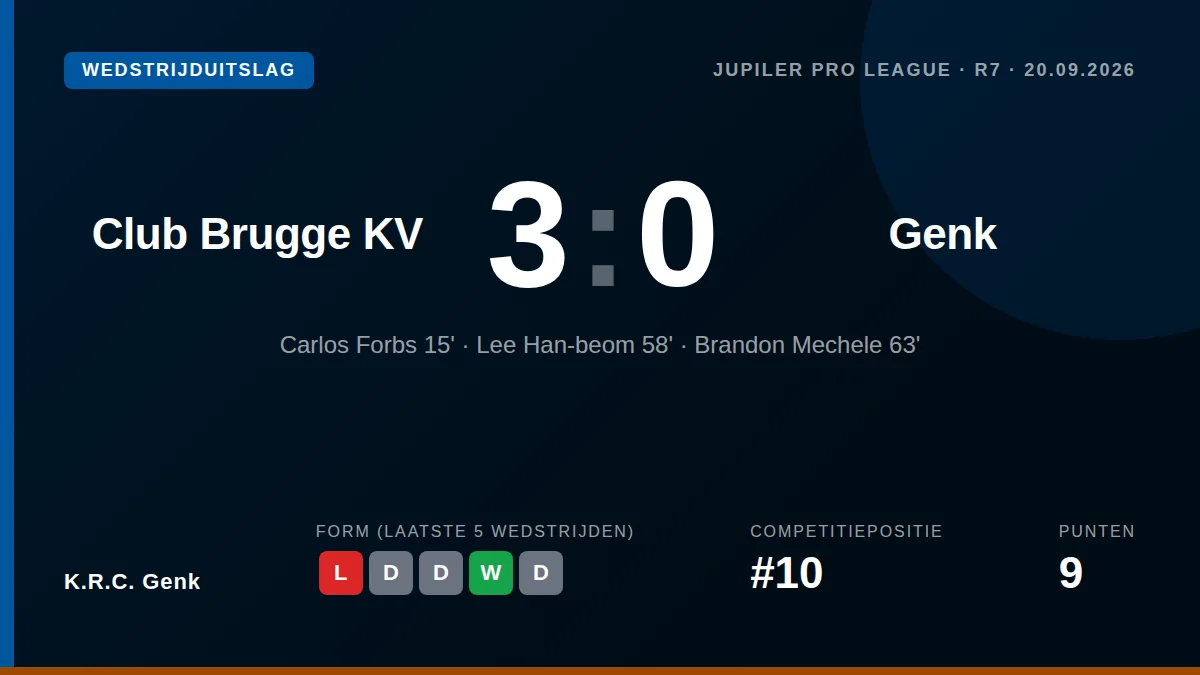
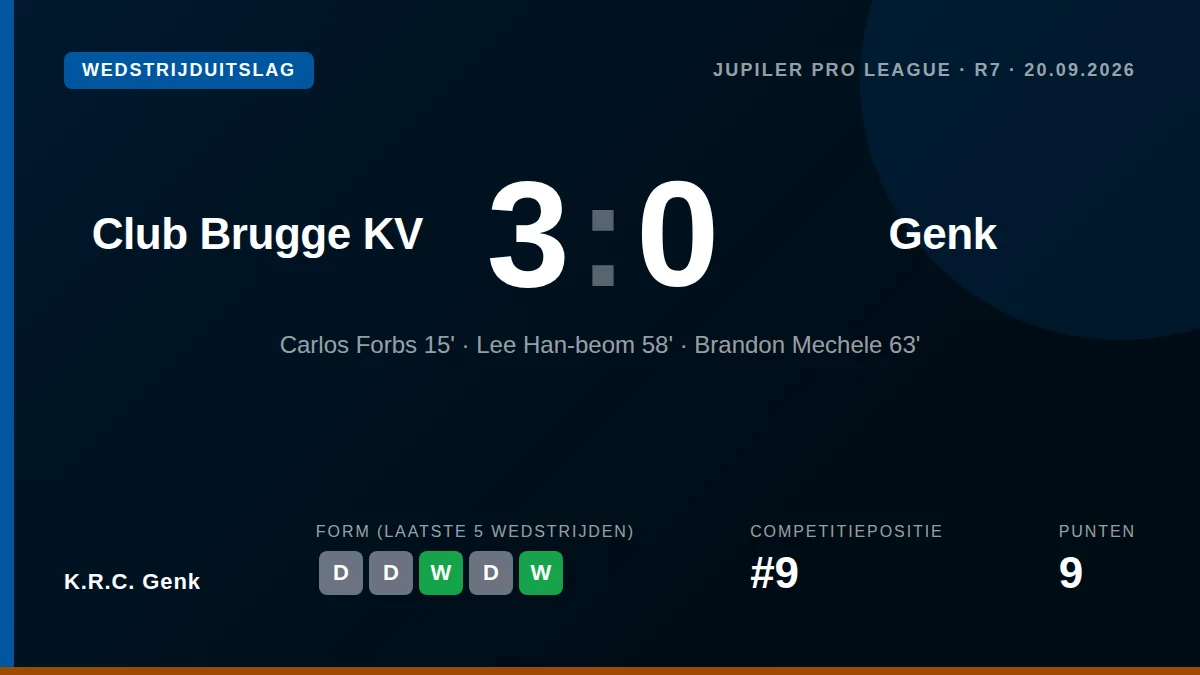
Executing this strategy is challenging. It requires a constant pipeline of new talent and a scouting network capable of identifying and developing players. The recent 3-0 defeat to Club Brugge last Sunday is a sign that on-pitch success does not always mirror financial performance. Manager Wouter Vrancken's side now has nine points and trails league leaders KAA Gent by ten points.
The financial health does provide stability for the first-team squad. Top scorer Rafiu Durosinmi, with five goals already this season, exemplifies the type of player who can create value. The club can now focus on the upcoming league match at home to Kortrijk on October 10th, an opportunity to take points against the current bottom side. Supporters can track the build-up via our standings and fixtures pages.
Qualifying for European football remains a key sporting objective, which in turn further enhances player appeal and market value. Balancing sales with performance is the ongoing challenge. Genk's next home fixture against Kortrijk presents an immediate chance to improve their ninth-place position in the table.
This story first appeared at HLN Voetbal